BCI & Unity Masterclass
A few takes from BCI & Unity Masterclass: From Games to Neuroadaptive Systems which I recently attended
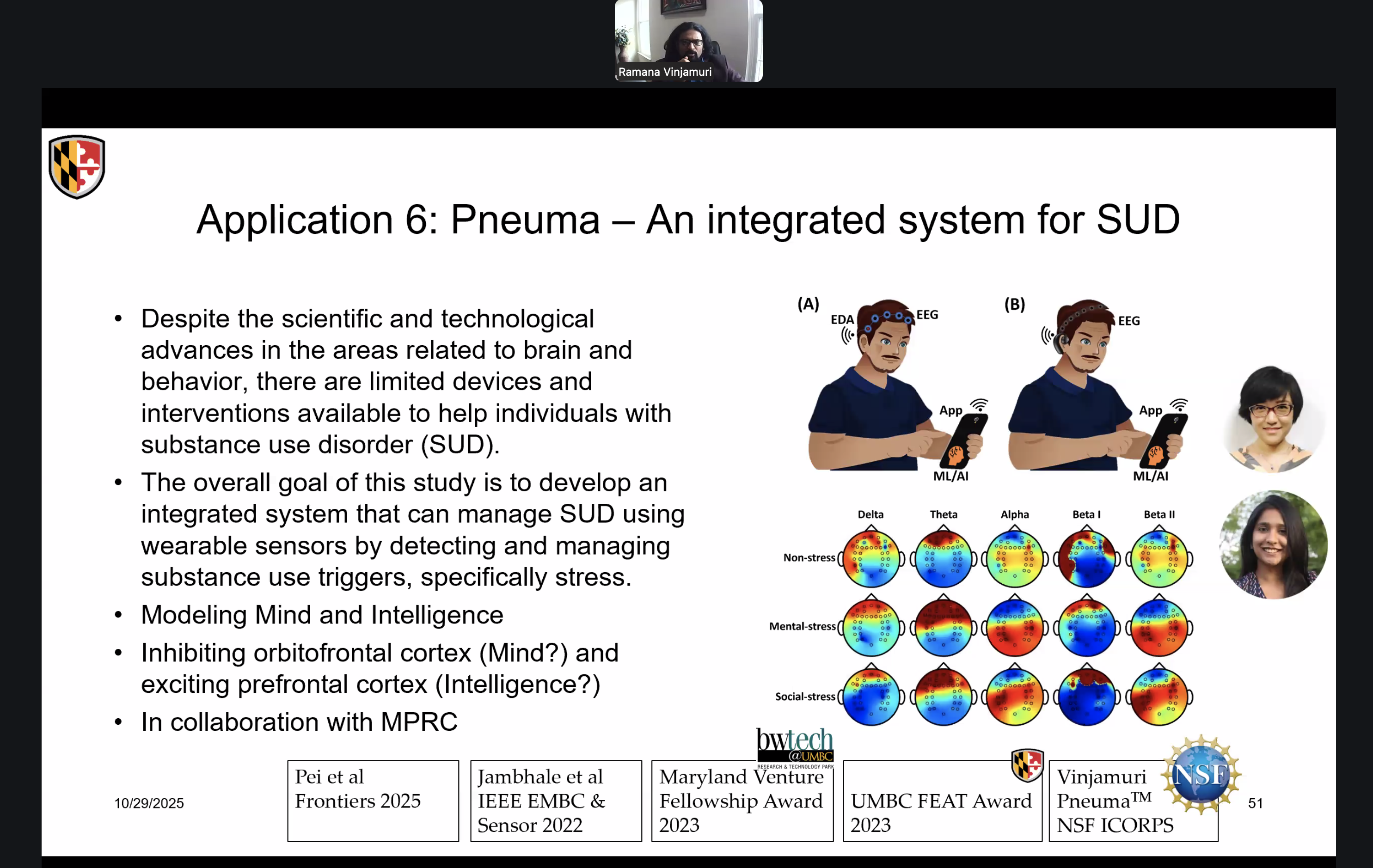
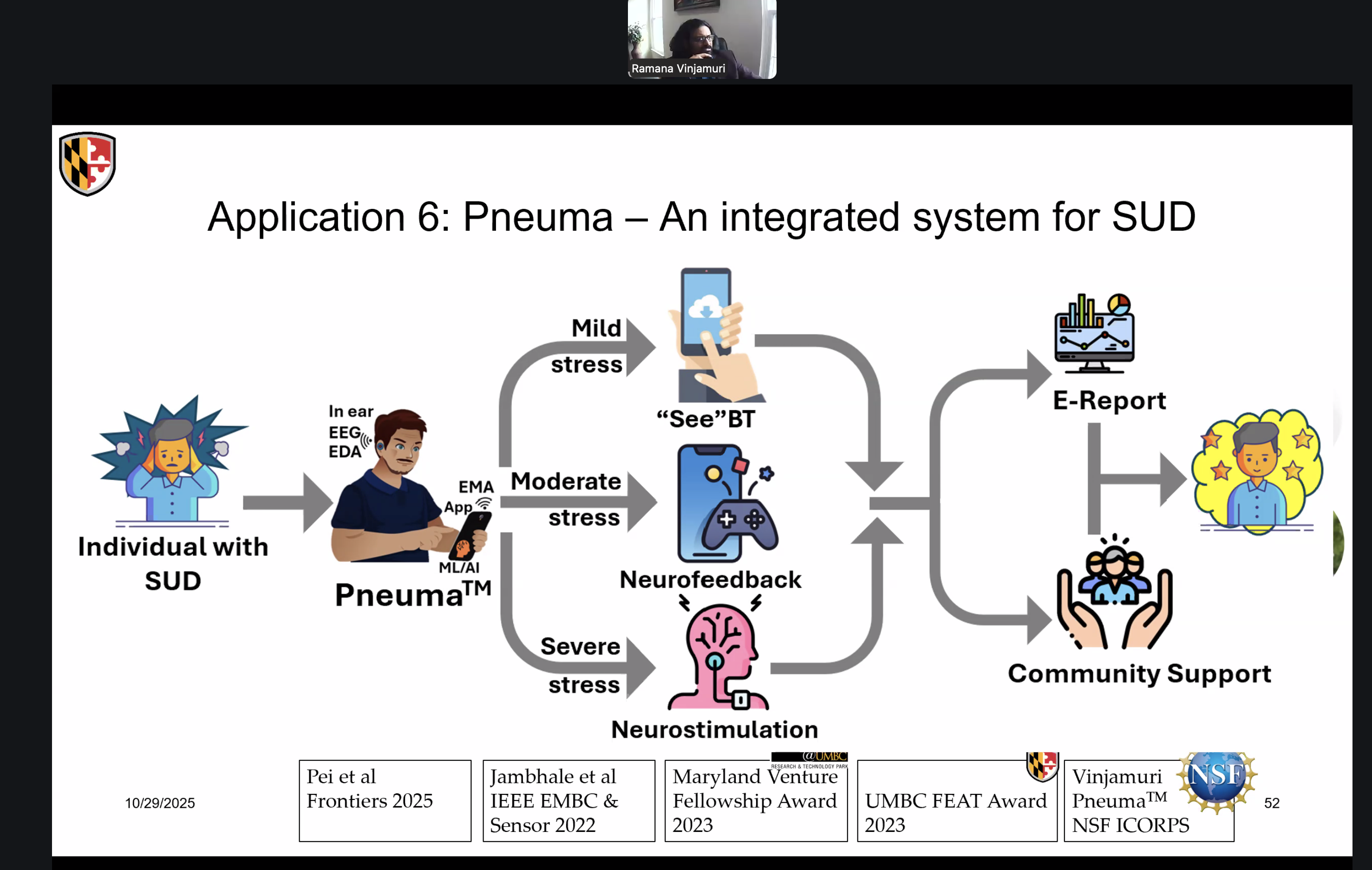
1. Neuroadaptive Companions & Therapy
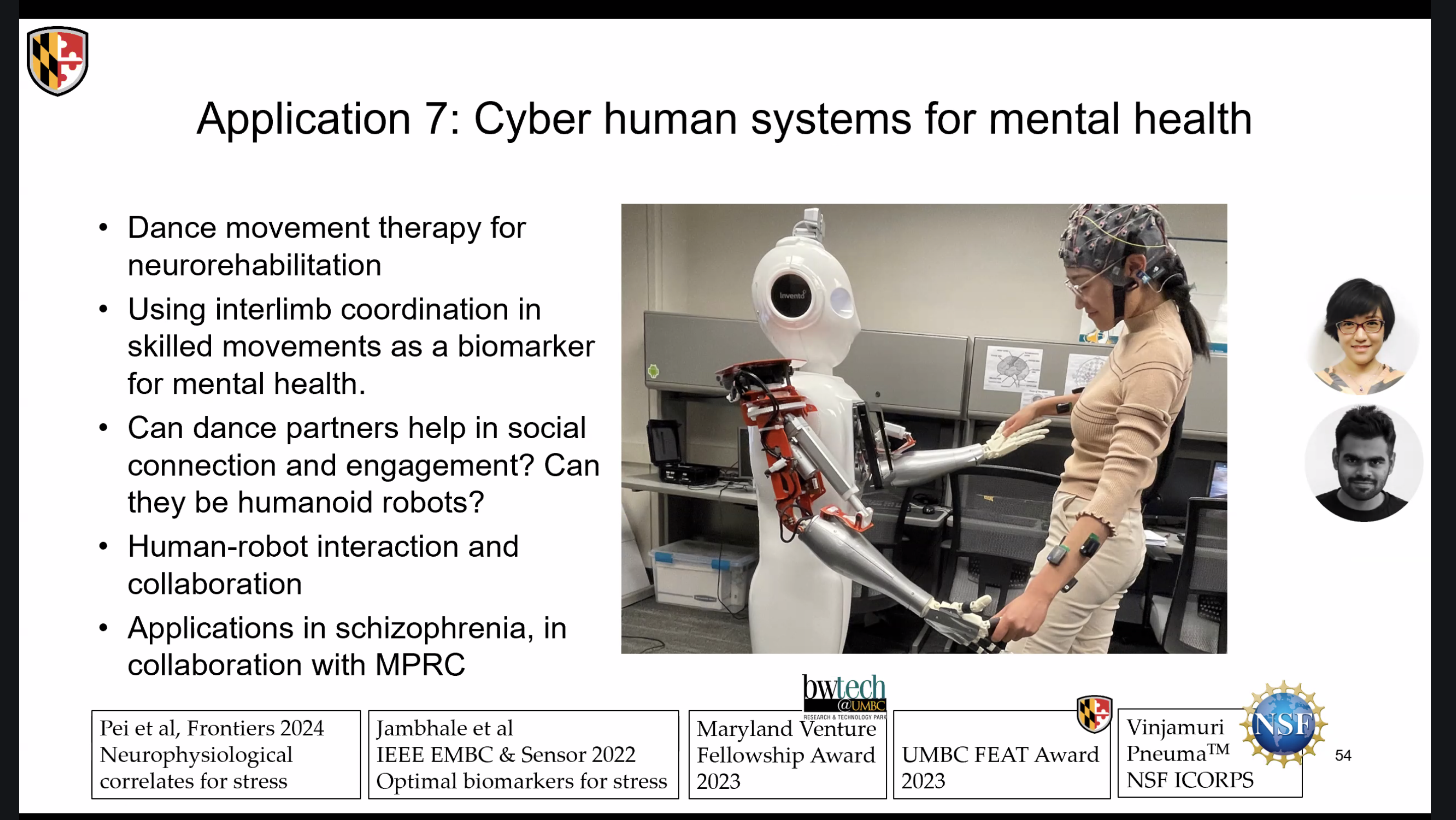
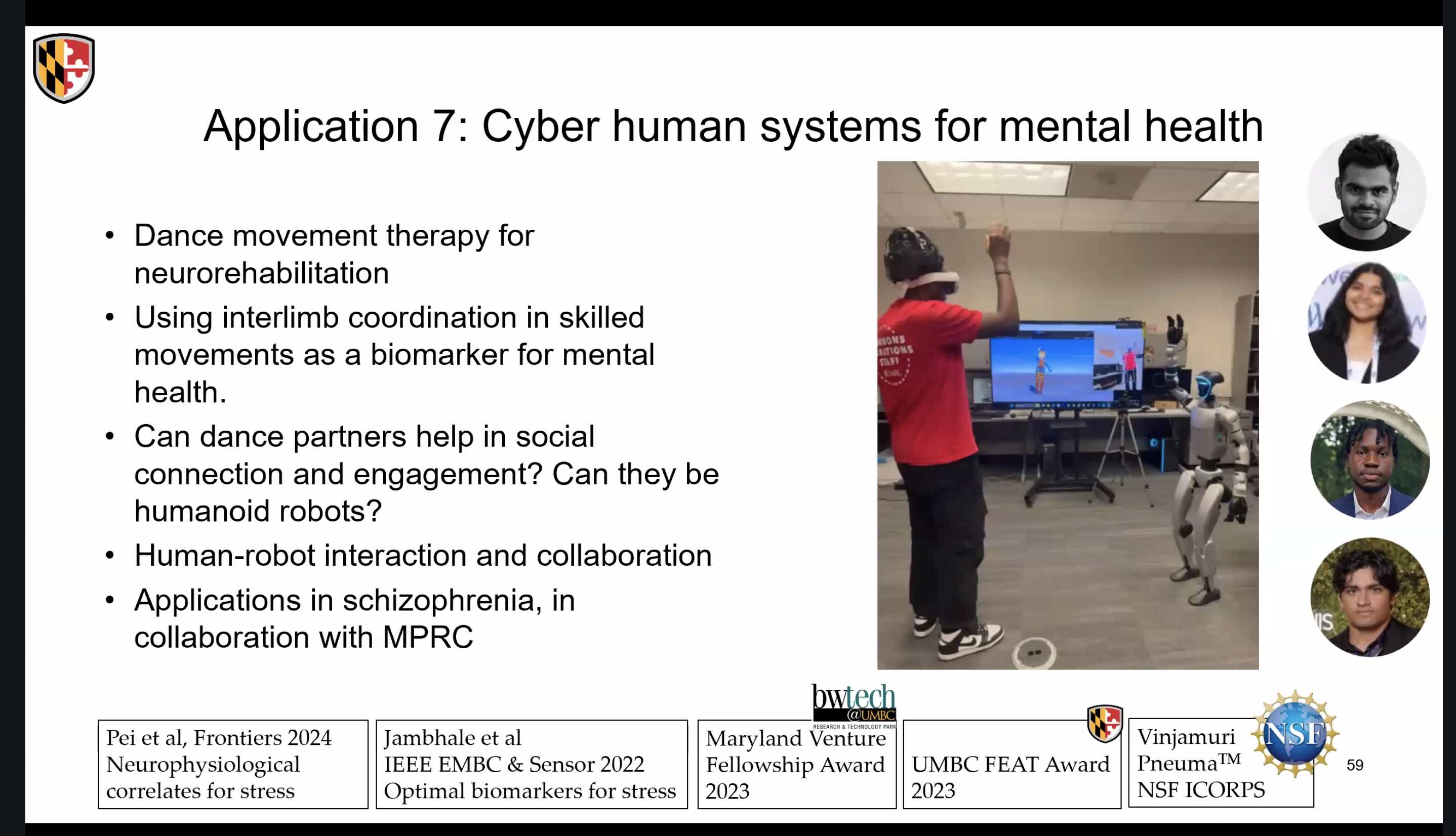
One of the most impactful directions is the development of robotic companions for clinical support, such as assisting individuals with schizophrenia. A standout example is the use of robot dance partners for dance therapy—combining physical movement with neurofeedback to improve patient outcomes.
But why not just dance with a human?
“As a healthcare opportunity, dancing with a robot may sound weird at first,” says Ann Sofie Clemmensen, an associate professor of dance, who is also part of the interdisciplinary team. “Why not just dance with a human?” But, she says, people who are socially isolated or struggle with the stressors of human interactions might benefit from robot partners. “As humans we project emotions on objects, but the objects do not judge back,” she says.
2. Emotional Analysis for the Future of Work
We discussed using BCI for real-time emotional monitoring in the workplace. Imagine a system that recognizes your cognitive load or stress levels and adjusts your workflow — or simply knows when you shouldn't be disturbed.
3. The Power of Data Fusion
A fascinating technical insight: Facial recognition is often unreliable for emotional classification. As humans, we are experts at masking our internal states through facial expressions. To get an honest picture of a user's state, we need Sensor Fusion. By combining:
- EEG (Brainwaves)
- Eye-tracking
- Electrodermal Activity (Skin conductance/sweat)
- Heart Rate & Movement
#BCI #Unity #EEG #mental-health #therapy #disorders #NeuroadaptiveSystems